
Dungeons & Dragons (D&D) has grown from a niche tabletop role-playing game into a cultural phenomenon, inspiring countless players and spawning an extensive range of merchandise. However, with the surge in popularity comes confusion and misconceptions about what constitutes official D&D merchandise versus fan-made or unrelated products. Understanding this distinction is essential for enthusiasts who want authentic items that enhance their gaming experience.
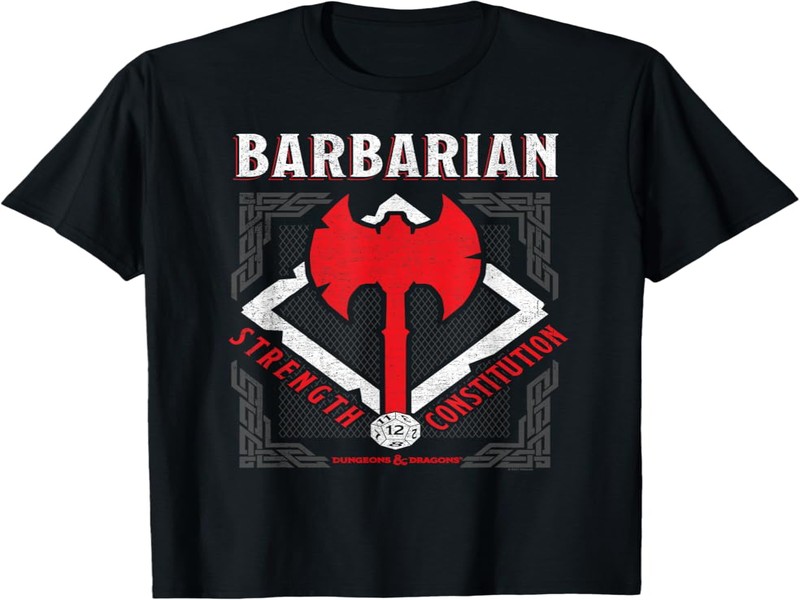
Official D&D merchandise is produced or licensed by Wizards of the Coast (WotC), the company that owns Dungeons & Dragons. This includes core rulebooks, adventure modules, dice sets, miniatures, apparel, and accessories bearing the official logo or trademarks. These products are carefully designed to maintain quality standards and align with the game’s lore and mechanics. For example, Dnd Official Merch dice often feature unique designs or symbols related to specific campaign settings like Forgotten Realms or Eberron. Similarly, miniatures released under WotC branding are crafted to reflect canonical creatures and characters accurately.
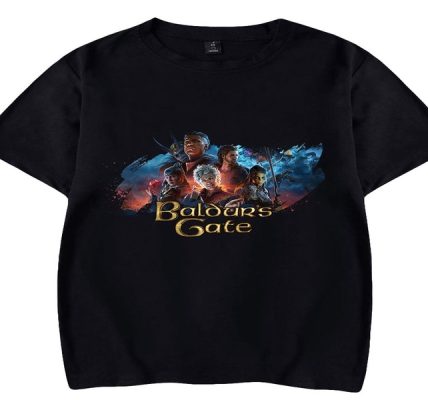
On the other hand, there exists a vast market of unofficial merchandise created by independent artists and small businesses inspired by D&D themes but lacking formal licensing agreements. These items can range from custom dice bags to artwork prints and home décor featuring fantasy motifs reminiscent of those found in Dungeons & Dragons campaigns. While these pieces often celebrate fandom creatively and support independent creators, they do not carry any guarantee regarding adherence to official content or quality controls set by WotC.
One common misconception is that all branded “fantasy” gear automatically relates directly to D&D gameplay. Many products use generic fantasy elements-dragons, wizards, swords-that appear in numerous franchises beyond just Dungeons & Dragons. Buyers should be cautious when purchasing online or at conventions; verifying whether merchandise has explicit references such as logos from Wizards of the Coast helps ensure authenticity.
Furthermore, some fans mistakenly believe that all licensed goods must be expensive collector’s items; however, official merchandise spans a wide price range catering both to casual players seeking practical tools like spell cards or character sheets as well as avid collectors interested in limited-edition figurines.
In conclusion, distinguishing between genuine Dungeons & Dragons merchandise and unofficial paraphernalia requires awareness of licensing details and product origins. Officially sanctioned items provide reliable quality aligned with game lore while supporting continued development by Wizards of the Coast. Meanwhile, fan-made creations enrich community culture through artistic expression but should be appreciated separately from canon materials. By separating fact from fiction surrounding D&D merchandise offerings today’s adventurers can make informed choices that best suit their gaming needs without falling prey to misleading claims or subpar imitations.